Guests want food that tastes fresh and fits a busy day. Investors want a business they can learn once and repeat across more than one location. Healthy food franchises sit right where those two needs meet, which is why so many first-time buyers start their search here.
But "healthy" covers more ground than acai bowls and green juice. A sandwich built to order with fresh-cut veggies counts, and so does a hearty salad made in front of the guest. This guide compares popular formats and real FDD costs. It also covers the operational details that decide how a shop runs day to day.
Key Takeaways
- Guests now define healthy as "fresh," and they still won't give up speed to get it.
- GLP-1 users are changing what they order more than whether they show up.
- The real price of any franchise lives in Item 7 of its FDD.
- How a kitchen handles a Tuesday lunch rush matters as much as the menu trend.
- Fresh sandwich shops belong on the healthy list, even though many roundups skip them.
What Are Healthy Food Franchises?
Healthy food franchises are restaurant franchises built around fresh, customizable menus. Common formats include salad and bowl shops, smoothie bars, meal prep concepts and fresh sandwich shops. Most run as QSRs (quick-service restaurants), where guests order at a counter and get their food fast.
What counts as "healthy" depends on the guest, so it helps to ask guests directly. The IFIC 2026 Food & Health Survey found that "fresh" reclaimed the number one spot (40%) as the way Americans define healthy food.
That definition opens the door wider than most franchise lists suggest. A fresh food franchise that slices veggies daily and builds orders to spec meets that test, sandwiches included. That is why this guide treats fresh sandwich and salad shops as part of the healthy franchise category.
Why Healthy Food Franchises Are Popular Right Now
Franchising as a whole is growing at a steady, modest pace. The IFA 2026 Franchising Economic Outlook projects that franchise establishments will grow from 832,521 to 845,000 units, an increase of 1.5%. The restaurant market is also huge, and the National Restaurant Association's 2026 restaurant industry forecast projects total restaurant and foodservice sales will reach $1.55 trillion.
The same IFA outlook adds a note of caution for anyone eyeing healthy fast food franchises. Full-service restaurants are expected to outpace quick-service restaurants in output growth, so the QSR label alone won't carry a shop. Concept choice matters, and two trends show which concepts fit the way guests eat in 2026.
Fresh Plus Convenience Is the Winning Combination
The IFIC survey had a second finding that matters just as much to investors. Convenience (61%) edged out healthfulness (56%) as a driver of what Americans buy. Guests want fresh food, but they want it to fit into a packed schedule.
That leaves a gap between two kinds of concepts. A slow shop with fresh food loses the convenience buyer, while a fast shop with tired ingredients loses the fresh-first guest. The concepts that win are the ones that deliver both at once.
QSR sandwich shops sit right in that middle ground. Ingredients are cut fresh each day, and orders are assembled on a line built for speed. Guests get convenient, healthy options without a long wait or a sit-down meal.
How GLP-1 Users Are Changing Orders
GLP-1 medications are changing how many guests order. According to NRA GLP-1 restaurant research, roughly one in eight adults are currently taking some form of GLP-1 medication. The most common changes include choosing smaller portion sizes and prioritizing high-protein items.
Many users are also incorporating more vegetables into their meals. Still, the effect on restaurants is mixed. The same NRA research found that nearly half of GLP-1 users have cut back on how often they dine out since starting the medication.
So these guests may visit less often, and they want something different when they do come in. Customizable menus handle that shift better than fixed ones. A guest can swap a full sandwich for a salad or wrap and still load up on premium protein.
Popular Types of Healthy Food Franchises
Each type of healthy franchise solves the fresh-and-fast puzzle in its own way, and each one carries a trade-off. The table below compares the most common categories in plain, qualitative terms. Use it as a starting point, then confirm the details in each brand's FDD.
| Category | Menu Focus | Kitchen Complexity | Key Trade-Off |
|---|---|---|---|
| Smoothie and juice bars | Blended drinks and fresh juice | Low to moderate, with blenders and juicers | Fresh produce spoils fast, and sales often lean on one daypart |
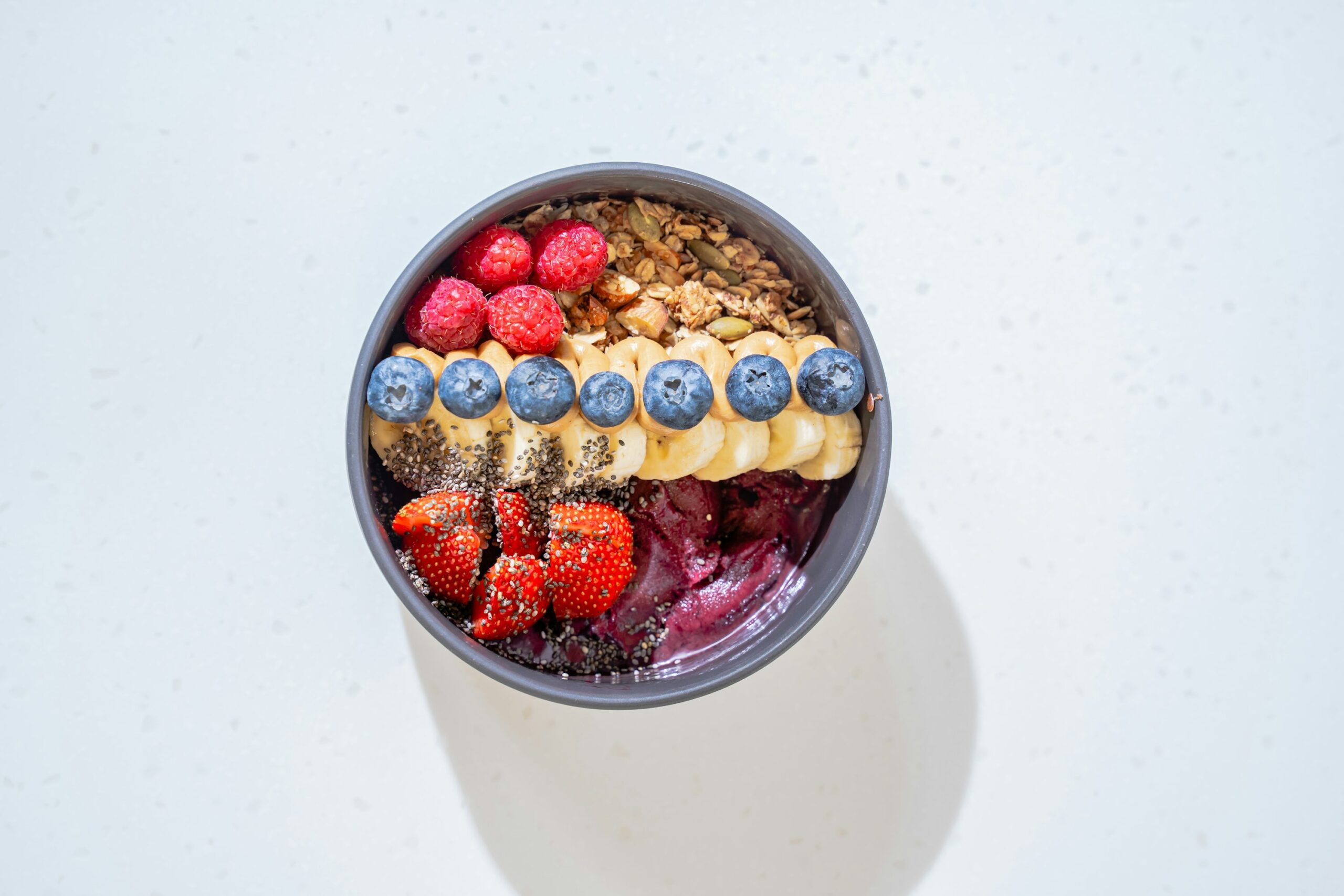
| Acai and bowl cafes | Acai and fruit bowls with toppings | Low, mostly assembly | Narrow menu that often peaks in the morning |
| Salad concepts | Chopped and composed salads | Moderate, with heavy daily prep | Large volume of perishable greens |
| Poke shops | Raw fish bowls | Moderate, with strict food-safety handling | Seafood sourcing can be harder to manage |
| Mediterranean concepts | Grain bowls and grilled proteins | Higher, with grills and in-house sauces | More cooking stations and more skill needed |
| Meal prep concepts | Packaged weekly meals | Higher, with batch cooking and packaging | Depends on pre-orders and delivery logistics |
| Fresh sandwich and salad shops | Built-to-order sandwiches and salads | Low to moderate, with slicing and assembly | Bread and produce quality must stay consistent |
The table points to one edge for sandwich shops. A sandwich and salad menu fits both lunch and dinner, and catering orders add another way to reach guests. Smoothie concepts, by contrast, often depend on a single daypart.
For a closer look at the sandwich segment, see our guide to the best sandwich franchises in 2026. It compares how different sandwich brands approach menu, format and support.
How Much Does a Healthy Food Franchise Cost?
Healthy food franchise cost varies by format and buildout, so any honest answer starts with the Franchise Disclosure Document (FDD). Item 7 lists the estimated initial investment. Item 6 lists the ongoing fees, such as the royalty and marketing contributions.
Here is a real example. According to the most recent Mr. Pickle's FDD, the total initial investment ranges from $360,700 to $834,607, including a $35,000 initial franchise fee. Where your shop lands in that range depends on factors like site size and buildout needs.
Ongoing fees in the same FDD start with a royalty of 5% of Gross Sales. The Marketing Fund contribution is currently 2% and can rise up to 5%. Owners also spend 1% of Gross Sales on local advertising.
The FDD also states that Mr. Pickle's does not offer direct or indirect financing. Plan your funding sources before you apply, and talk with a lender early. That step keeps the rest of the process moving.
Many first-time buyers ask whether $30,000 or $50,000 is enough to open a healthy food franchise. For a brick-and-mortar shop, the $360,700 low end in Mr. Pickle's FDD shows how far real costs can sit above those figures. Smaller kiosks or mobile formats may cost less, so compare Item 7 across every brand on your list.
Our sandwich franchise startup cost FAQs cover owner requirements, including minimum net worth, in more detail. Read them alongside the FDD so you can judge fit before your first call.
The Operational Advantages That Matter Most
A menu trend can get a shop noticed, but operations decide whether it holds up. The NRA's 2026 forecast found that 42 percent of operators reported their restaurant was not profitable in the prior year. More than 9 in 10 operators cited food, labor, insurance, energy and swipe fees as significant challenges.
That cost pressure is why the franchise operations details below deserve as much attention as the menu. Each one shapes how hard a shop is to run, and each one shows up in the FDD or in conversations with current owners.
Simpler Kitchens and Trainable Skills
Many healthy concepts need grills and scratch sauces to deliver their menu. Sandwich and salad shops run mostly on slicing and assembly, a skill set new team members can learn on the line. That keeps training focused on a set of repeatable tasks.
Training is where the FDD gets specific. According to the 2025 Mr. Pickle's FDD, initial training includes 10 classroom hours and 110 on-the-job hours in Scottsdale, AZ. That includes 30 hours of sandwich making, so owners learn the line before they run one.
Hands-on time matters because owners set the standard their crew follows. You can see how the program fits together on our sandwich franchisee training and support page.
Fewer Spoilage and Daypart Risks
Smoothie and juice bars depend on fresh produce that has to turn over fast. Their sales also tend to cluster in the morning and early afternoon. That pairing can leave a shop holding perishable stock during slow hours.
Sandwich and salad menus spread that risk in two ways. First, ingredients cross over, so the tomatoes on a sandwich also go into a salad and the same premium proteins fill wraps. Second, the menu runs from lunch through dinner, which gives the kitchen more hours to use what it preps.
This menu cross-utilization also keeps ordering simpler. Fewer single-use ingredients mean fewer items to track and reorder each week.
Systems and Support Behind You
The first weeks after opening are when a new crew needs the most help. According to the 2025 Mr. Pickle's FDD, an Opening Team is provided at the franchisor's cost for your first or second Shop. That puts experienced people on site while your team learns the routine.
Owners also work within an approved supplier network and a tech-forward QSR model built for ordering speed and guest loyalty. Those systems let you focus on your guests and your crew instead of building processes from scratch.
Location is part of the system too. The FDD describes a trade area of generally a 1-mile radius, and it does not grant an exclusive territory. Ask how site selection works in your market before you sign.
How to Evaluate a Healthy Food Franchise
Federal rules give you time to do this step right. The FTC guide to buying franchises says you must receive the FDD at least 14 days before signing any contract or paying any money. Use that window to work through this checklist.
- Read all 23 Items of the FDD from start to finish.
- Check Item 19 to see whether the franchisor makes any financial performance claims.
- Ask whether the brand restricts menu changes or requires specific suppliers.
- Call current and former franchisees about training and support.
- Confirm the trade area and whether any territory is exclusive.
- Add up total costs, including Item 7 estimates and Item 6 fees.
- Hire a franchise attorney and an accountant to review the documents.
Take notes on each item and compare brands side by side. For a sandwich-specific version of this process, read our guide on how to choose a sandwich franchise.
Why Fresh Sandwich Shops Belong on Your Healthy Franchise List
Fresh sandwich shops line up with the way guests describe healthy food: fresh. They also run on an assembly-based line and adapt to the GLP-1 shift, since guests can build lighter orders or add protein.
Mr. Pickle's has served fans since 1995. Our sandwiches start with legendary Dutch Crunch Rolls and are stacked with premium proteins and fresh-cut veggies. The same ingredients carry over into our hearty salads and wraps.
That legacy demand now runs on a tech-forward QSR model built for speed and consistency. Read our fresh-baked sandwich shop history to see how a neighborhood fan favorite grew into a crave-worthy franchise.
Frequently Asked Questions
What are the best healthy food franchises to invest in?
The best fit depends on your budget and the kitchen complexity you are ready to manage. Compare Item 7 costs and Item 19 disclosures, and include fresh sandwich shops alongside smoothie and salad concepts.
How much does it cost to open a healthy food franchise?
Costs vary widely by brand and format, so check Item 7 of each FDD. For example, the 2025 Mr. Pickle's FDD lists a total initial investment of $360,700 to $834,607, including a $35,000 initial franchise fee.
Can I start a healthy food franchise with $50,000?
That budget sits well below the $360,700 low end in the 2025 Mr. Pickle's FDD, so a brick-and-mortar shop will likely need more than $50,000. Compare Item 7 across brands, since smaller formats may cost less.
What is the typical break-even timeline for a healthy food franchise?
There is no single timeline, because results depend on location and operating costs. Check Item 19 of the FDD for any financial performance claims, and ask current franchisees about their experience.
How are GLP-1 medications affecting healthy food franchises?
The effect is mixed, since NRA research found GLP-1 users favor smaller portions and high-protein items, yet nearly half say they dine out less often. Customizable menus that let guests adjust portions and add protein are well placed to adapt.
Find Your Fresh Fit With Mr. Pickle's
Healthy food franchises succeed when fresh food meets fast service and a kitchen your team can master. Before you pick a format, weigh spoilage and daypart risk alongside the menu trend.
If a fresh sandwich shop fits your plans, our ownership process is clear. It starts with an inquiry form and a conversation with our franchise team. From there, you review the FDD and complete qualification before attending an in-person Franchise Experience Day.
Explore Mr. Pickle's franchise opportunity to see how we fit your goals.